 Admin
|
Admin
|
 Jan. 5, 2026
|
Jan. 5, 2026
|
 Share to

 Share to
If you have already seen Everest or prefer a "loop" trek rather than an out-and-back trail, you are likely choosing between two of the world's greatest walks: the Annapurna Circuit and the Manaslu Circuit. While they share a border, the experiences they offer are worlds apart.
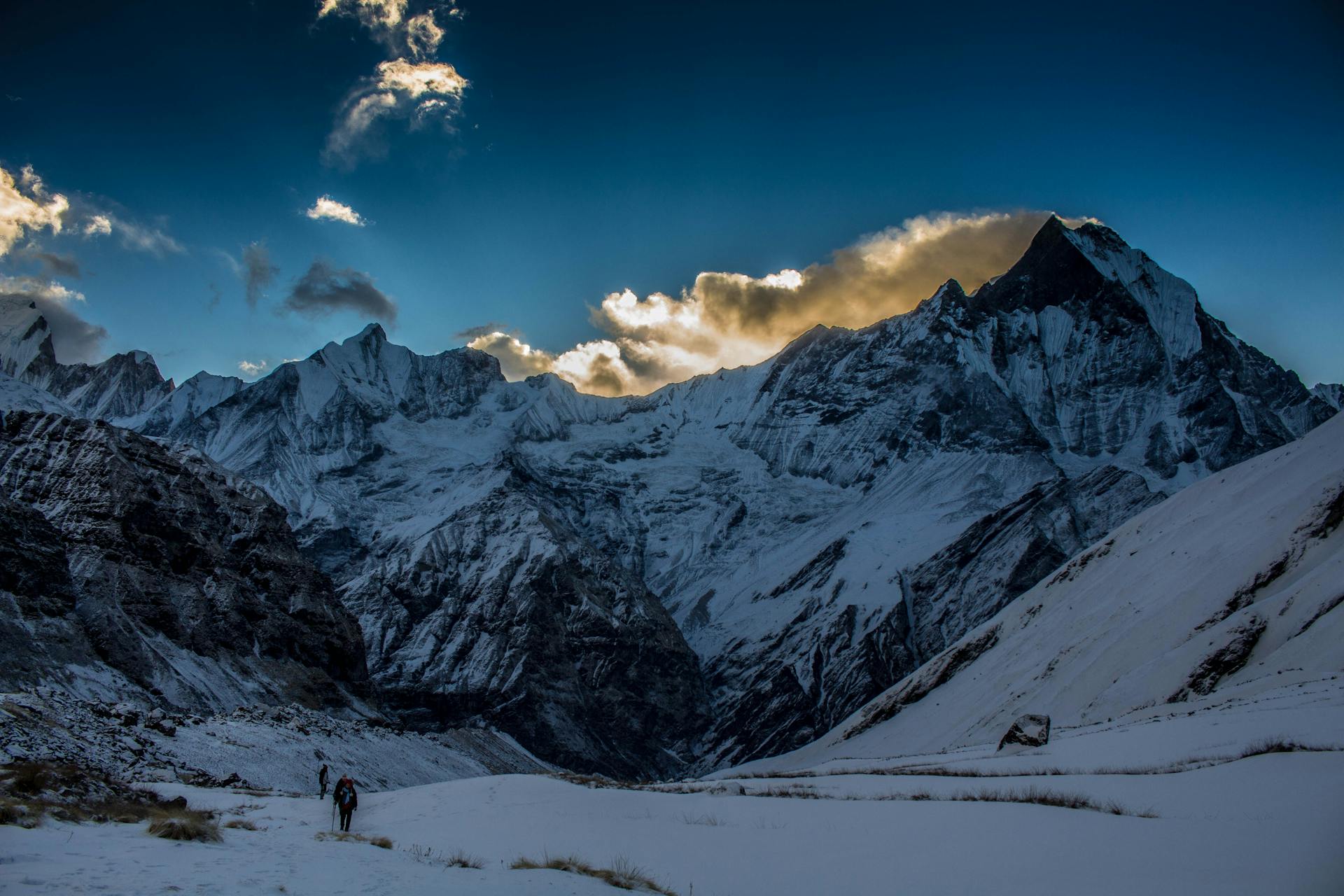
The Annapurna Circuit has long been the "face" of trekking in Nepal. It is famous for its incredible geographic diversity—starting in lush green sub-tropics and ending in the arid, Tibetan-like plateau of Mustang.
Difficulty: Moderate to Strenuous. The highest point is Thorong La Pass at 5,416m.
Infrastructure: Highly developed. You can expect "luxury" teahouses, extensive menus, and even espresso machines in some villages.
The Vibe: Social and vibrant. You will meet trekkers from every corner of the globe.
Best for: First-time Himalayan trekkers who want variety and comfort.
Known as the "New Annapurna," the Manaslu Circuit is for those who want to step back in time. It circles Mt. Manaslu (8,163m), the 8th highest mountain in the world.
Difficulty: Strenuous. The Larkya La Pass (5,106m) is lower than Thorong La but the trail is more rugged and remote.
Infrastructure: Improving, but still basic. Teahouses are simpler, and electricity/Wi-Fi are less reliable.
The Vibe: Peaceful and spiritual. Because it is a "Restricted Area," it sees a fraction of the crowds found in Annapurna.
Best for: Experienced trekkers seeking solitude and authentic Tibetan-Buddhist culture.
Choose Annapurna if you love diverse landscapes, meeting people, and having a hot shower at the end of the day.
Choose Manaslu if you want to escape the crowds, enjoy raw wilderness, and experience a culture that has remained unchanged for centuries.